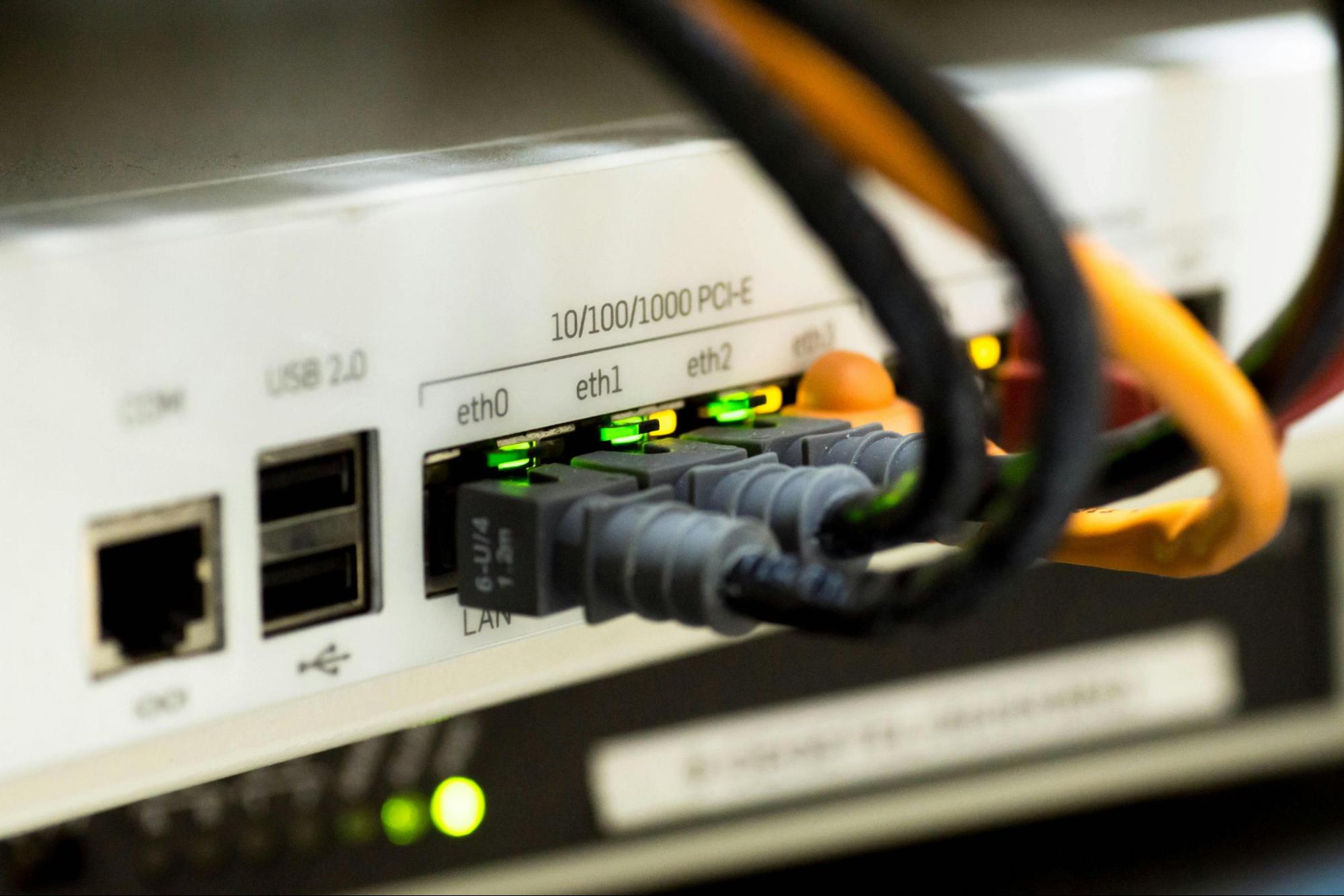
A smart firewall is an advanced security control designed to protect your organization’s data, systems, and network infrastructure from modern cyber threats.
As cyber threats keep becoming more complex and distributed, traditional perimeter defenses are no longer enough protection. Modern cybersecurity experts approach firewall technology as part of a broader zero-trust strategy that limits exposure and reduces attack surfaces across your environment.
Here’s what you need to know about this technology and how it can help you protect your organization.
What Is a Firewall?
A firewall monitors and controls network traffic based on defined security policies. Its primary purpose is to separate trusted internal systems from untrusted external networks. When implemented correctly, a firewall helps prevent unauthorized access while allowing legitimate traffic to flow without disruption.
How Smart Firewalls Differ From Traditional Firewalls
Smart firewalls extend beyond static rule sets. They incorporate deeper traffic inspection, behavioral analysis, and adaptive controls that respond to real-world conditions. This allows you to identify threats that traditional firewalls may overlook, including lateral movement and misuse of legitimate credentials.
What Are the Key Features of a Smart Firewall?
A smart firewall plays a critical role in a modern security framework, but understanding its core capabilities matters before you decide how it fits into your environment.
Deep Packet Inspection (DPI)
Unlike basic firewalls that only review packet headers, smart firewalls use deep packet inspection to analyze the contents of network traffic. This allows you to detect malicious code, embedded malware, and hidden threats that may appear legitimate at the surface level. By inspecting data in transit, you gain stronger visibility into activity moving through your network.
Intrusion Prevention Systems (IPS)
Smart firewalls incorporate IPS technology to actively scan for and block known security exploits. By analyzing network traffic for specific threat signatures and anomalous behavior, an IPS can prevent attacks before they breach the network.
Application Awareness and Control
A defining feature of a smart firewall is its ability to identify and control specific applications. It can distinguish between different types of web traffic, allowing you to block access to high-risk applications like social media or peer-to-peer file sharing while permitting business-critical cloud services. This granular control helps reduce the attack surface and enforce corporate policies.
Threat Intelligence Integration
Smart firewalls are not static. They continuously receive and integrate real-time threat intelligence feeds from global security networks. This allows them to stay updated on the latest malware, malicious IP addresses, and attack techniques, enabling them to block emerging threats proactively.
Why Does Your Organization Need a Smart Firewall?
A smart firewall strengthens network defense by addressing risks that traditional security controls no longer manage effectively. We view it as a foundational element of a zero-trust environment that supports modern operations, distributed access, and strict security expectations.
Superior Protection Against Sophisticated Threats
Organizations that manage sensitive or high-value data face increasingly complex attack methods.
Many threat actors understand how legacy security tools operate and design their techniques to bypass them. A smart firewall counters this by applying layered controls that analyze traffic content, detect exploit behavior, and apply real-time threat intelligence. This approach helps you identify and block activity that would otherwise blend into normal network traffic.
Secure Remote and Hybrid Work
Remote and hybrid work have expanded how and where users access internal systems. Employees now connect from multiple locations, networks, and devices, increasing the number of potential access paths.
Smart firewalls support secure remote access by inspecting encrypted traffic and enforcing consistent security policies regardless of user location. This allows you to maintain visibility and control across a distributed workforce without weakening your network security.
Protecting Regulatory Compliance
Organizations across regulated industries must meet strict data protection and audit standards. Smart firewalls support compliance efforts through detailed logging, traffic monitoring, and access controls. These capabilities help you demonstrate oversight of network activity, limit unauthorized access, and reduce exposure to data incidents that can trigger compliance violations.
Unique Security Challenges for Military and Government
Government and defense environments operate under constant pressure from highly capable adversaries focused on intelligence gathering and operational disruption.
Traditional network security tools were not designed for this level of threat complexity. At Fognigma, we build platforms that extend beyond standard firewall capabilities by supporting secure, anonymous, and untraceable network access. This approach aligns with the operational demands of military-grade environments where protecting communications and infrastructure is critical to mission continuity.
Building a More Controlled Network With Fognigma
A smart firewall provides the advanced, adaptive protection needed to defend modern networks, going beyond the limits of traditional firewalls to keep systems secure, support flexible work environments, and help maintain regulatory compliance.
Investing in a smart firewall is more than just a tech upgrade. It is a practical step toward building a stronger, more resilient organization, and a unique opportunity to take a fresh look at your current security setup and work with experts to find a solution that fits your specific risks and needs.
If you’re interested in getting started with implementing a smart firewall, contact Fognigma to see what our team has to offer your organization.